
Pulse Sourcing
Pulse sourcing from Thrive Pulses Canada helps importers, wholesalers, dal millers, and distributors secure export-ready Canadian pulses matched to their quality, packaging, and volume needs.
Based in Alberta, Canada, we source through trusted supplier networks across pulse-growing regions and coordinate practical options for India-focused FCL buyers seeking red lentils, green lentils, chickpeas, peas, and selected beans with clear specifications, responsive communication, and consistent supply planning.
Canada To India Focus
Why Choose Us For Pulse Sourcing
Pulse sourcing works best when the requirement is defined properly from the start. Thrive Pulses Canada begins with the details serious buyers actually need to discuss, including pulse type, grade preference, purity and moisture expectations, bag size, quantity, and destination. That helps reduce wasted inquiry time and gives India-focused buyers a clearer basis for evaluating whether a sourcing option is commercially workable.
Based in Edmonton, Alberta, Thrive Pulses Canada works through supplier networks across Alberta, Saskatchewan, and Manitoba. This sourcing reach matters when buyers need Canadian red lentils, green lentils, Kabuli chickpeas, Desi chickpeas, yellow peas, green peas, or selected beans in full container quantities. Because the business is mainly a sourcing and export company, the discussion stays grounded in actual supplier availability, specification fit, and practical packaging options.
The team also brings useful market familiarity to Canada-to-India pulse sourcing. With strong ties to India and a clear understanding of how importers, wholesalers, dal millers, and distributors assess risk, conversations stay focused on the concerns that influence buying decisions, such as quality consistency, payment comfort, complete documentation, pricing practicality, and realistic timelines. That makes the sourcing process more useful for buyers who want clarity before placing a full container order.
This pulse sourcing service is also structured for qualified FCL inquiries only. Buyers can discuss 20′ container planning, typical 25 MT to 28 MT loading, 25 kg or 50 kg PP bags, customized packaging, and sample availability in one focused conversation. Third-party inspection availability can also be discussed where required, which adds another layer of confidence for buyers who want independent verification before finalizing a shipment decision.

Happy Customers
Read Reviews...

I was looking for a Canada-based partner for bulk pulse sourcing because I did not want to waste time with suppliers who could not explain grade options, bag sizes, or realistic container quantities. What stood out here was the clear discussion around FCL buying, product selection, and sourcing practicality for India. It helped me move from general market inquiry to a more structured buying decision with better confidence.

Our requirement was specific red lentils sourcing for India, and we needed clarity before moving ahead with a full container order. I appreciated that the conversation focused on quality specifications, moisture range, purity expectations, packaging choices, and commercial fit instead of vague sales talk. That made it easier for our team to assess whether the sourcing offer matched our market requirement and buying timeline properly.

I wanted chickpea sourcing from Canada, but my main concern was consistency between what is offered and what can actually be supplied in container quantities. The sourcing discussion was practical and detailed. It covered Kabuli and Desi options, grading preferences, batch identification, and sample availability. For a buyer trying to reduce sourcing mistakes before committing to FCL volume, that kind of clarity is genuinely valuable.

As a distributor, I was not looking for small trial quantities. I needed FCL pulse sourcing with clear communication on what could be arranged for India and what would depend on supplier availability. The process felt more serious because the focus stayed on container-ready supply, packaging formats, and buyer specifications. That helped me compare options more realistically instead of losing time on inquiries that were never commercially workable.

We were exploring Canadian green lentils supply and wanted to avoid the usual back-and-forth that happens when sourcing details are not discussed early. What I found useful was the way product quality expectations, size uniformity, moisture targets, and packaging needs were addressed from the start. It gave our buying team a more dependable basis to review the opportunity and decide whether the sourced lot fit our destination market.

My biggest issue with export-ready pulses is that many sellers speak generally but do not qualify the order properly. Here, the pulse sourcing discussion was much more grounded. We talked about quantity, destination port, packaging, and the kind of product specifications required for our business model. That saved time and made the inquiry process feel more suitable for serious importers rather than casual trading conversations.

I needed customized packaging sourcing for a full container requirement, and that usually becomes complicated when the supplier side is not aligned with the buyer’s exact needs. The conversation here was useful because it covered 25 kg and 50 kg PP bags, labeling expectations, and the importance of matching commercial terms before moving forward. That level of sourcing clarity is helpful when planning a cleaner procurement process.

As an India pulse importer, I wanted a sourcing partner that understood both Canadian supply realities and the expectations of buyers in our market. I found the communication practical, especially around product choice, FCL quantity range, sample support, and the importance of documentation readiness at the sourcing stage. It felt easier to evaluate the opportunity because the discussion addressed real buying concerns instead of generic promotional language.
Canada Pulse Sourcing Answers
Who Uses This Sourcing Service?
This pulse sourcing service is built for importers, wholesalers, dal millers, and distributors who need Canadian pulses in full container quantities for India. It is most suitable for buyers who want structured sourcing support, clear specifications, and commercially workable FCL options rather than small retail or trial orders.
How Does Pulse Sourcing Work?
Pulse sourcing starts with your product, quantity, packaging, target market, and destination port. Thrive Pulses Canada then reviews suitable supplier options in Canada and aligns the requirement with available grade, specification, and FCL shipment practicality so buyers can move forward with a more informed sourcing decision.
Which Pulses Can You Source?
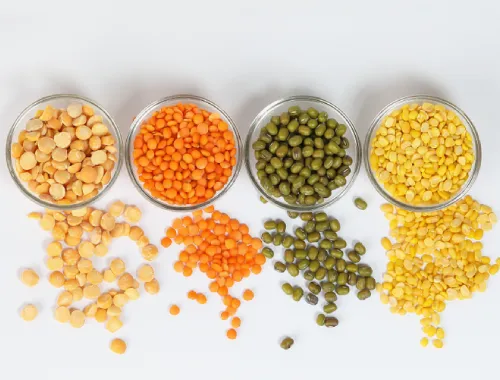
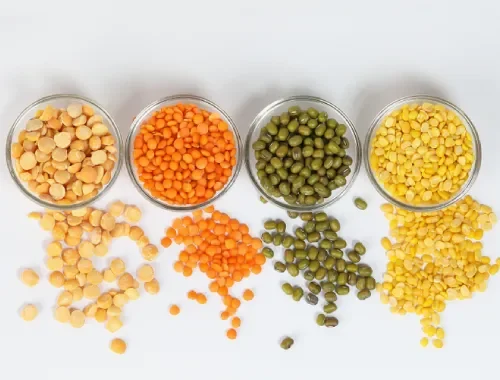
Our pulse sourcing scope includes red lentils, green lentils, Kabuli chickpeas, Desi chickpeas, yellow peas, green peas, and selected beans. The focus remains on export-ready Canadian pulses that can be discussed according to buyer specifications, container quantity, packaging format, and commercial suitability for India.
Do You Source FCL Orders Only?
Yes. This bulk pulse sourcing service is designed for FCL buyers only. Standard order planning is based on 20' container quantities of roughly 25 MT to 28 MT, which helps keep the sourcing process aligned with serious commercial demand, practical export planning, and realistic supplier allocation.
Can Buyer Specifications Be Matched?
Yes, pulse sourcing can be discussed around buyer requirements such as moisture range, purity level, foreign matter tolerance, damaged grains, broken grains, grading preference, and packaging format. Thrive Pulses Canada focuses on matching available supplier options to the specification profile shared at the inquiry stage.
Are Samples Available Before Ordering?
Yes, samples are available as part of the pulse sourcing discussion. This helps qualified buyers review product suitability before confirming an FCL order. Sample availability does not change the minimum order structure, but it can support better product evaluation, internal approval, and more confident commercial planning.
Which Packaging Options Are Available?
For pulse sourcing, common packaging options include 25 kg and 50 kg PP bags, along with customized packaging based on buyer requirements. Packaging discussions can also include labeling and batch identification so the sourced product is aligned more closely with import, handling, and distribution needs.
Can You Source For Indian Ports?
Yes, this Canada-to-India pulse sourcing service is structured for buyers shipping to Indian ports such as Kandla, Mundra, Nhava Sheva, and Mumbai. Sharing the destination port early helps align commercial planning, packaging, and sourcing discussions with the intended import route and buyer timeline.
What Affects Pulse Sourcing Pricing?
Pulse sourcing pricing depends on the product, grade, crop availability, packaging requirement, container quantity, destination, and agreed trade terms. A clear inquiry helps Thrive Pulses Canada assess commercially practical options instead of giving broad estimates that may not reflect the actual sourcing requirement.
How Fast Can Sourcing Start?
Pulse sourcing can begin as soon as you share the key requirement details through the inquiry form. The clearer the product, quantity, packaging, destination port, and timeline, the faster Thrive Pulses Canada can review suitable supplier options and respond with a more focused commercial discussion.

Phone Number
+1 647 914 6862
Business Location
10787 180 St NW, Edmonton AB T5S 1G6, Canada.
E-Mail ID
[email protected]Start Your Sourcing Plan
Need Canadian pulse sourcing for India? Use the form to share your product, quantity, packaging, destination port, and timeline. Thrive Pulses Canada will review your requirement and respond with commercially practical sourcing options for FCL shipments. If you have questions about grades, samples, specifications, or container suitability, fill in the form and start a clear conversation with our team before placing orders.
