
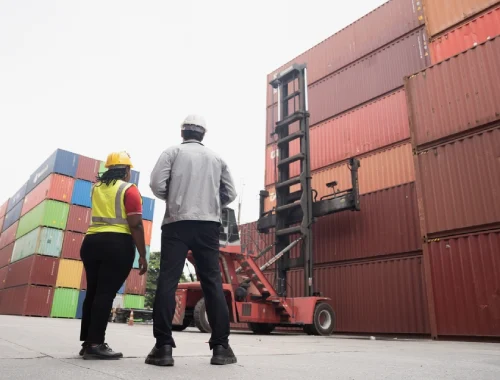
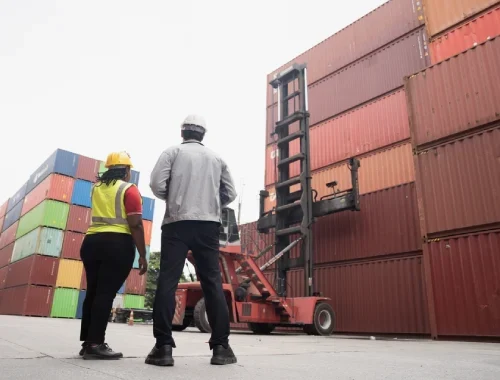
20-foot container handling for bulk pulse exports to India

Container Shipment Handling

Container Shipment Handling supports India-focused importers, wholesalers, dal millers, and distributors who need organized FCL pulse shipments from Canada. Thrive Pulses Canada coordinates the practical steps that keep each 20-foot container ready for export, from packaging alignment and load planning to moisture protection, labeling, and shipment readiness. 

The service is built for buyers who value handling standards, dependable export coordination, and fewer avoidable shipping issues.

Built For FCL Precision

Why Choose Us for Container Shipment Handling

Container shipment handling is one of the most sensitive parts of any bulk pulse export. A deal can look complete on paper and still create problems later if bag size, filling plan, load balance, marking instructions, or container protection are not aligned early. Thrive Pulses Canada treats this service as a controlled export step for India-bound cargo, not a rushed task at the end of the order.

That matters for buyers working on a true FCL model. A 20-foot pulse container needs commercially practical planning around 25 MT to 28 MT loading, buyer-requested bag configuration, and destination-port requirements. Thrive Pulses Canada keeps those details connected from the start so buyers shipping to Kandla, Mundra, Nhava Sheva, or Mumbai are not left managing preventable handling confusion after commercial terms are already discussed.

Another advantage is specification-led coordination. Packaging can be arranged in 25 kg or 50 kg PP bags, with customized packaging considered when required. Labeling, batch identification, and moisture protection are addressed as part of shipment readiness so the container is prepared for transit conditions, not just loaded for dispatch. Where additional assurance is needed, third-party inspection support through SGS or Intertek can also be arranged before shipment.

Buyers also value clarity in responsibility. Thrive Pulses Canada is transparent about working as a sourcing and export company, while processors and suppliers manage processing and packaging. That clear structure helps importers understand how the handling stage is managed. With Alberta-based coordination, supplier links across Western Canada, India-market familiarity, and export routing through Vancouver, the company offers container shipment handling that is organized, realistic, and built around bulk buyer requirements.

Client-focused service and professional business standards
Happy Customers

Read Reviews...

Container Shipping Questions

What Does Container Shipment Handling Include?

Container shipment handling covers the practical preparation of an FCL export container, including bag configuration, load planning, labeling, batch identification, moisture protection, and readiness for dispatch. For pulse exports from Canada to India, this service helps keep the shipment commercially organized before it moves through the export chain.

Do You Handle FCL Orders Only?

Yes. Thrive Pulses Canada is positioned for FCL orders only, with a usual container quantity of about 25 MT to 28 MT. This helps container shipment handling stay consistent, because the planning, packaging, and loading process is built for full 20-foot container movements rather than small, mixed-volume orders.

Which Container Format Do You Use?

The standard shipment format is a 20-foot container. This container shipment handling model suits bulk pulse exports by allowing structured load planning, packaging control, and moisture-aware preparation for India-bound cargo. It also supports clearer commercial discussions around quantity, port selection, and delivery terms.

What Packaging Options Can I Request?

Buyers can request 25 kg or 50 kg PP bags, and customized packaging can be discussed when required. In container shipment handling, packaging matters because bag size, stacking, labeling, and identification all affect how the cargo is prepared, loaded, checked, and received at the destination port.

How Do You Reduce Moisture Risk?

Moisture control is addressed as part of shipment readiness, not as an afterthought. Container shipment handling considers packaging alignment, container protection, and loading preparation so bulk pulses are better prepared for export transit. This is especially important on Canada-to-India routes where transit time can be lengthy.

Can Buyer Specifications Be Matched?

Yes. Buyer instructions can be matched on points such as packaging format, grade preference, size requirement, labeling, and batch identification. Good container shipment handling depends on discussing these details early, because last-minute changes can create loading issues, document mismatches, or avoidable delays.

Which Indian Ports Can You Serve?

India-focused routing can be coordinated for ports such as Kandla, Mundra, Nhava Sheva, and Mumbai. This container shipment handling service is planned around practical port requirements so buyers can discuss the right destination at inquiry stage and keep the shipping arrangement aligned with their import process.

Is Pre-Shipment Inspection Available?

Yes. If added assurance is needed, third-party inspection support can be arranged through agencies such as SGS or Intertek. For container shipment handling, inspection can help buyers verify presentation, condition, and shipment readiness before the cargo moves, which supports better decision-making on a bulk order.

How Long Does Handling Take?

Lead time is generally around 15 days after the agreed advance payment and order confirmation, followed by an estimated shipping period of 45 to 50 days. Container shipment handling works best when quantity, packaging, and destination port are finalized early so the planning can move without avoidable disruption.

Can I Ask For CIF Terms?

Yes. CIF is publicly positioned and is also the preferred structure for India-focused business. In container shipment handling, agreed terms matter because they affect planning, delivery scope, and commercial responsibility. Buyers can discuss CIF requirements early so the shipment setup matches their import needs.

Is DDP Available For India?

DDP can be discussed on request for India, although CIF is generally preferred. For container shipment handling, the best term depends on the shipment structure, buyer profile, and destination requirements. The practical step is to share your destination port and commercial preference when requesting a quote.

Can Payment Terms Be Structured?

Yes. Payment terms can be discussed based on buyer profile and the mutually agreed deal structure. Because container shipment handling is part of a larger export transaction, it is better to confirm commercial terms early so shipment planning, readiness timelines, and documentation flow stay aligned.

Are Samples Available Before Booking?

Yes, samples are available, but the order model remains FCL only. Samples can help a buyer review product suitability before a full booking, while container shipment handling is planned for commercial-scale shipment volumes. That keeps trial review separate from the actual full-container export process.

What Information Should I Submit?

Share the product, quantity, destination port, packaging requirement, target price, delivery timeline, company name, and contact details. This information helps container shipment handling discussions start with the right commercial and operational context, which leads to a more useful response for your bulk Canada-to-India inquiry.

WhatsApp contact icon for Thrive Pulses Canada
Phone Number
+1 647 914 6862
Office location of Thrive Pulses Canada in Edmonton, Alberta
Business Location
10787 180 St NW, Edmonton AB T5S 1G6, Canada.

Plan Your Container

Planning a bulk pulse shipment from Canada to India? Use the form to ask any question about container shipment handling, packaging preferences, quantity, destination port, shipment timing, or inspection support. Thrive Pulses Canada will review your requirements and respond with practical guidance for an FCL container that matches your commercial needs, handling expectations, and export route with clarity before you move forward.